Table of contents
Meeting your partner's parents is nerve-racking in a normal way. Meeting them without a shared language adds a special layer: every social tool you own, the small talk, the jokes, the well-timed question, gets confiscated at the door.
One fact should calm you down: their expectations of your language are basically zero. Nobody assumes the foreign partner speaks the family language, so every word you do manage lands with double weight. Ten memorized phrases will do more for you than an hour of fluent conversation would.
So prepare the things they can actually see.
Before you go
Get eight or ten phrases truly cold: hello, nice to meet you, thank you, this food is delicious, goodbye. Drill them with your partner until they survive nerves, because nerves will come. Nobody is grading pronunciation.
Then make your partner brief you on the house rules. Shoes? Who sits first? Two hands for giving and receiving? What do you even call their parents — Mr. and Mrs., or a kinship term? Your partner grew up in this house and forgets that any of it needs explaining. Make them explain it.
Bring a gift. In most cultures an empty-handed first visit is a quiet misstep. Something from your hometown works best because it comes with a story your partner can tell on your behalf.
Last, agree on a translation plan. When does your partner interpret? What happens when they leave the room? Which app sits on the table, literally? Decide before, not during. Have them pre-translate your answers to the three questions that are definitely coming: what do you do, how did you meet, what are your plans.
At the table
Let your partner carry the important exchanges, but don't route everything through them. If every sentence goes partner to parent to partner, you spend the evening as a guest who only talks to one person. Aim some communication straight at the parents. Eye contact. Your phrases. Visible enthusiasm for the food. Laughing at the right moments even when you caught maybe a third of the joke.
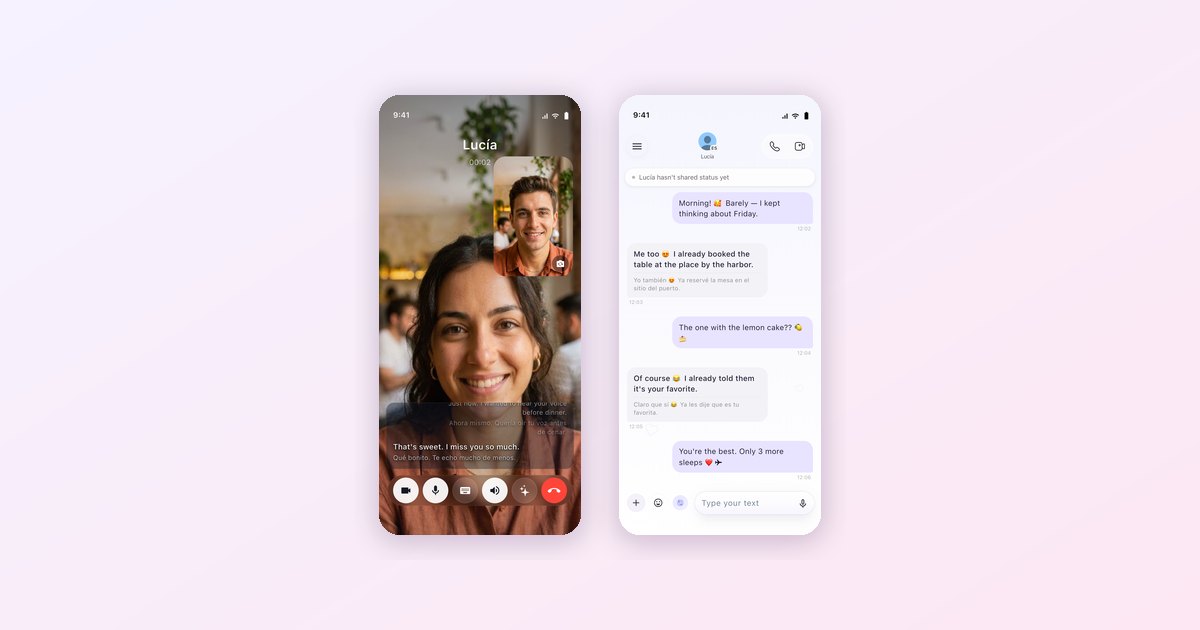
The moment everyone fears is the one where your partner steps out and you're alone with their mother. This is where you use translation openly instead of smiling through fifteen minutes of silence. Open Heartline, set the two languages, and let each side just talk; it translates voice both ways as you speak. Is it a little awkward? Sure. But parents read the gesture exactly right: this person wants to talk to me. A slightly clunky translated conversation about the garden beats a warm silence every time.

Watch the table, too. In many families, respect is demonstrated at dinner more than in conversation: who starts eating first, how dishes get passed, whether you try everything. Copy your partner with a half-second delay and you'll be fine.
The video-call version
For long-distance couples, the first meeting increasingly happens on a screen months before any airport. Treat it with in-person seriousness: dress properly, fix your lighting, open with your memorized greeting before touching any technology.
Then switch to a video call with live translated subtitles, so their parents can read you in their own language while you speak yours. That beats making your partner interpret and participate at the same time, a job nobody does well while also being somebody's nervous child. Keep it to twenty or thirty minutes, end warmly, and send a translated thank-you message the next day. That message gets remembered.
Afterward: the long game
The first meeting is a checkpoint. What builds the actual relationship with in-laws happens over years, in small moves.
Send the occasional direct message in their language: a birthday wish, a holiday greeting. Translated is fine. They know, and it doesn't matter, because it came from you and not through your partner.
Learn three new phrases before each visit. Families notice trajectories more than levels.
And if the family has a group chat where life actually happens, ask to be added. With real-time chat translation you can genuinely follow along, instead of being a name your partner occasionally reports news about.
The pattern underneath all of it is the same one that carries the whole cross-language relationship: don't make your partner the permanent interpreter between you and the people they love. Build your own line in, however imperfect.
Heartline provides real-time translation for text, voice, and video calls — built specifically for cross-language couples. Available free on iOS and Android.
Frequently asked questions
How much of their language should I learn before meeting my partner's parents?
Eight to ten phrases, drilled until they survive nerves: hello, nice to meet you, thank you, the food is delicious, goodbye. Nobody expects fluency from the foreign partner, so every phrase you do say lands with outsized weight.
Should I bring a gift when meeting my partner's parents?
In most cultures, yes — arriving empty-handed on a first visit is a misstep. Something from your country or hometown is the strongest choice because it carries a story. Ask your partner what the family would enjoy.
What do I do when my partner leaves the room and I can't talk to their parents?
Use a real-time translation app openly. Set both languages in Heartline and let each side speak naturally — the app translates voice both ways, live. Parents consistently read this as effort, and a slightly awkward translated chat beats silent smiling.
How should we handle meeting the parents over video call?
Treat it like an in-person visit: dress properly, open with a memorized greeting, keep it to 20–30 minutes, and use a video call with live translated subtitles so parents can read your words in their language as you speak. Send a translated follow-up message the next day.
How do I build a relationship with in-laws long-term without a shared language?
Send occasional direct messages in their language (translated is fine — they know), learn a few more phrases each visit, and join the family group chat with real-time translation so you can genuinely follow along.

Try Heartline for free
Love speaks every language. Text, voice and video — translated in real time.